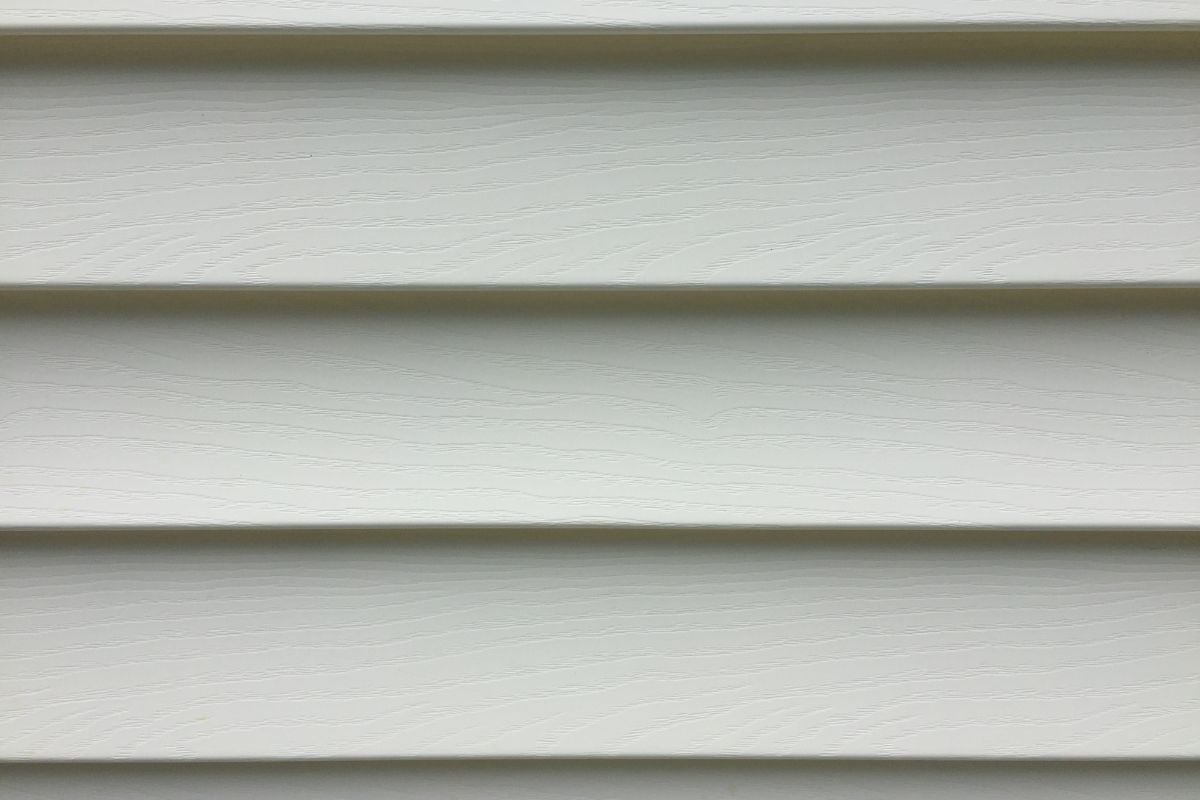

St. Louis homeowners comparing siding quotes often ask what makes James Hardie siding different, especially since it usually costs more than vinyl. That higher price buys a board engineered for our climate, a factory-baked finish, and long-term protection when the siding is installed correctly. Mark Moore, our founder, spent more than five years working directly for James Hardie and trained contractors across the country, so we know the product from the inside.
Below, we break down those differences, where it falls short, and why the installer you choose matters as much as the board itself.
Quick Answer:
James Hardie siding is a proprietary fiber cement engineered for specific climates, finished with factory-baked color, and backed by a 30-year non-prorated limited warranty. How well it performs depends on installation that follows Hardie’s requirements.
What is James Hardie Siding Made of?
James Hardie siding is fiber cement. Each board combines cement, sand, cellulose fibers, and water, which are pressed and cured into a dense, rigid plank.
“Hardie board” is the name many people use for all fiber cement, the same way Tyvek® stands in for house wrap. Fiber cement is the category, and James Hardie is the brand most homeowners know. Learn more about the products we install on our James Hardie siding page.
What Makes James Hardie Siding Different from Vinyl and Wood?
Four features set Hardie products apart: climate engineering, resistance to fire, rot, and pests, a factory finish, and a convincing wood look.
Built for St. Louis Weather (HZ5)
Hardie’s Zone System matches products to climate. HZ5 boards are built for freezing temperatures, big seasonal swings, snow, and ice, with a surface engineered for paint adhesion and a drip edge that sheds water.
That fits our region. Temperatures here can move from below freezing to mild in a few days, and summer brings heavy humidity and hail. You can confirm the right zone for your address with Hardie’s zip code lookup.
Resistance to Fire, Rot, and Pests
- Fire: Fiber cement is noncombustible. It won’t melt like vinyl or catch fire like wood.
- Moisture: It resists rot and swelling, a common failure point for wood siding.
- Pests: Termites can’t eat it, and it holds up far better against woodpecker damage than wood siding.
ColorPlus® Technology Holds Its Color
Paint applied on a jobsite is exposed to dust, humidity, and changing temperatures. ColorPlus Technology bakes multiple coats of color onto each board in a controlled factory setting.
The finish resists fading, chipping, and peeling, and it carries its own 15-year limited finish warranty.
A Real Wood Look with Less Upkeep
Hardie boards are thicker than vinyl, so they cast deeper shadow lines that read as real wood from the street. Popular options include:
- Hardie® Plank lap siding
- Hardie® Shingle siding for gables and accents
- Hardie® Panel vertical siding for board-and-batten styles
Textures include the woodgrain Cedarmill finish and a clean Smooth finish.
Pro Tip: Ask for digital renderings before you commit to a color. We include them with every proposal so you can see your own home in different ColorPlus shades and textures.
Side-by-Side Siding Comparison
| Feature | James Hardie | Vinyl | Engineered Wood | Natural Wood |
| Fire resistance | Noncombustible | Melts | Combustible | Combustible |
| Rot resistance | Excellent | Good | Fair | Poor |
| Fade resistance | Baked-on finish | Fades over time | Varies by finish | Needs repainting |
| Pest resistance | Excellent | Good | Moderate | Poor |
| Maintenance | Low | Low | Moderate | High |
| Upfront cost | Higher | Lowest | Moderate | High |
Ratings are general. Performance varies by brand, product, and installation.
Why Installation Decides Performance
Fiber cement is less forgiving than vinyl. During Mark’s years at James Hardie, most of the siding failures he saw traced back to installation shortcuts, such as:
- Missing kick-out flashing (a metal piece that diverts roof runoff) where a roof meets a wall, which sends water into the wall cavity
- Boards installed too close to the ground or roofline, where they absorb standing water
- Unflashed butt joints, where two boards meet with nothing behind them to stop water
The Warranty Depends on the Install
James Hardie backs its siding with a 30-year non-prorated limited warranty that can transfer once to the next owner of the home. That coverage requires installation that follows Hardie’s printed installation requirements and local building codes.
What Our Team Does on Every Project
- Installs a high-performance weather barrier on every home
- Flashes windows, doors, rooflines, and wall penetrations to manufacturer specs
- Uses Hardie® Trim boards for durable corners and window details
- Backs the work with our Lifetime Workmanship Warranty
Key Takeaway: As a James Hardie Alliance Elite Contractor, our crews follow those requirements on every job. You can verify any installer’s status with Hardie’s contractor locator.
The Honest Downsides of James Hardie Siding
No siding is perfect. Know these trade-offs before you sign:
- Higher upfront cost than vinyl
- Heavier boards that require trained crews and careful handling
- Caulked joints and trim that need periodic inspection
- Installation sensitivity, as covered above
Is James Hardie Siding Worth It?
For homeowners who want low maintenance and strong resale value, it usually is. In Remodeling magazine’s 2025 Cost vs. Value report, fiber cement siding replacement recouped about 114% of its cost at resale nationally, one of the highest returns in the report.
What Drives Your Project Cost
Every home is different, so your estimate depends on:
- Home size and number of stories
- Siding profile and trim details
- Removal of old siding and repair of damaged sheathing (the boards under your siding)
- Weather barrier and flashing upgrades
- Window replacement at the same time
Long-Term Value
Less painting and fewer repairs lower your long-term costs. Buyers notice too. Jenny F., one of our O’Fallon clients, wrote that neighbors stop to ask, “What is so different about our house?”
Need expert help with James Hardie siding? Contact Hawthorn Home Exteriors for a free consultation and a detailed proposal with zero hidden fees. Ask about our financing options, including 18 months same-as-cash with approved credit.
Common Questions About James Hardie Siding
What Makes James Hardie Siding Different From Other Fiber Cement?
Hardie formulates its boards by climate zone, offers the factory-baked ColorPlus finish, and trains installers through its Contractor Alliance program.
How Long Does James Hardie Siding Last?
With proper installation and basic upkeep, fiber cement siding typically lasts for decades, and Hardie backs its boards with a 30-year non-prorated limited warranty. Once a year, rinse it with a garden hose and check the caulk and trim for gaps.
Does James Hardie Siding Need to Be Painted?
ColorPlus boards arrive prefinished. Primed boards are also available if you want a custom paint color.
Should I Replace Windows or Siding First?
Windows first. That order lets us seal and flash each opening before new siding and trim go on. Learn more about our replacement windows.
Get James Hardie Siding Installed Right the First Time
Climate-engineered boards, a baked-on finish, and a careful install are what deliver Hardie’s full value. Our team brings firsthand James Hardie experience, a 4.9-star Google rating, and an A+ BBB rating to homes across the St. Louis metro, from Chesterfield to St. Charles. Schedule your free estimate and let us show you what makes James Hardie siding different on your own home.