A siding choice gets locked onto the home for decades, which puts real weight on the decision between Hardie and vinyl. The price gap between the two is significant for larger homes, and that alone often shapes which direction a project takes. The fiber cement siding and vinyl tradeoff comes down to upfront cost versus long-term performance. Each material has clear strengths and limitations, and the right call depends on how long you plan to stay in the home.
Cost Comparison of Fiber Cement Siding and Vinyl
When clients tell us they love the look of James Hardie but worry about the budget, vinyl comes up as the practical alternative. Knowing exactly how the two products compare in cost helps clarify which direction makes sense for the home.
Why Vinyl Has the Lower Entry Point
Vinyl offers a noticeably lower entry point than Hardie. For homeowners working on a tight budget, that gap alone can be the deciding factor on which material lands on the house.
Comparing Fiber Cement Siding and Vinyl by Home Size
On a small or mid-sized home, the cost difference between the two products may feel manageable. On a larger home, the gap widens significantly, and the savings on vinyl can run into the thousands.
Pro Tip: If you intend to stay in the home for years to come, the savings on vinyl rarely make up for the performance gains of Hardie over 20 to 30 years.
Long-Term Maintenance and Appearance
Cost is only one piece of the comparison. How each material performs over a 25-year span tells a very different story, and that gap shows up most clearly on the home’s exterior color and finish.
How Vinyl Holds Up Over Time
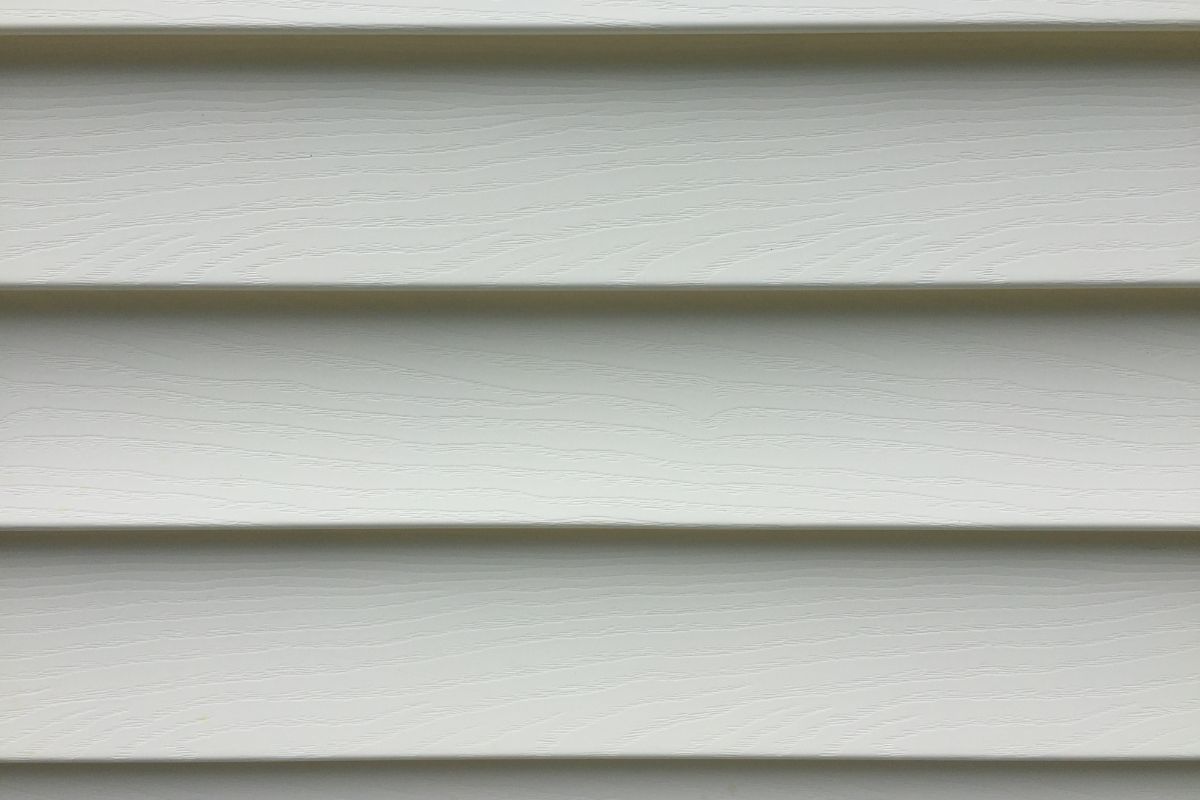
Vinyl is easy to clean. A garden hose handles most of the surface buildup, and the material stays relatively low-maintenance over a 25-year span. The drawback is that vinyl tends to grow brittle with age, and the color loses its sheen far more quickly. Over time, the finish can look washed out and faded, which pulls down the look of the entire exterior.
Why Hardie Holds Its Look Longer
Hardie holds color far longer than vinyl, and the surface stays sharp through decades of weather. The material’s density also gives the home a more substantial, premium appearance year after year.
Key Takeaway: Vinyl wins on day-one cost. Hardie wins on his year-twenty appearance.
Need expert help comparing fiber cement siding and vinyl for your home? Contact Hawthorn for a free consultation.
Installation and Wall Performance
How each material attaches to the home shapes how it performs in real weather. This is where the two systems diverge most clearly.
Vinyl Hangs Loose by Design
Vinyl is a loose-hanging system. We can’t nail it tight to the wall because the material expands and contracts with temperature swings. Without room to move, the siding warps and waves on the wall. Quality vinyl installations hold up to roughly 150 mph winds, so wind isn’t a major concern, but more outside noise tends to come through the wall.
Why Hardie Performs Like a Sealed System
Hardie is a sealed system. We nail it tight to every stud through the house wrap and sheathing, then caulk and seal the entire perimeter. The result is a water- and air-tight exterior that performs more like brick than traditional siding. That tight envelope also helps the home feel quieter and more solid from the inside.
Pro Tip: A sealed Hardie exterior dampens road noise and keeps weather out of the wall assembly far better than loose-hang vinyl.
When Each Siding Material Makes Sense
Both materials have legitimate use cases. The right pick depends on budget, ownership timeline, and what you want from the home over time.
When Vinyl is the Practical Choice
Vinyl is the right call in a few specific scenarios:
- Tight budget: Cost is the dominant factor in the decision
- Short ownership window: You’re planning to sell or move within the next year
- Easy upkeep: You want a low-maintenance exterior that washes off with a garden hose
In those cases, the lower upfront spend lines up with the timeline, and gradual aging matters less over that window.
When Hardie is the Stronger Investment
Hardie is the better investment when:
- Long ownership: You’re staying in the home for many years
- Wall performance: You want a water- and air-tight exterior that performs more like brick than siding
- Lasting appearance: You want the home to hold its color and finish over time
The upfront premium pays back through performance, longevity, and consistent appearance year after year.
Make the Siding Choice that Holds Up for Decades
Siding is one of the most visible and most expensive upgrades you’ll make to a home, and the wrong call sticks with the property for years. Our team helps homeowners weigh cost, longevity, and ownership timeline so the right material lands on the house the first time. Schedule a consultation with Hawthorn today to compare fiber cement siding and vinyl options for your home.